
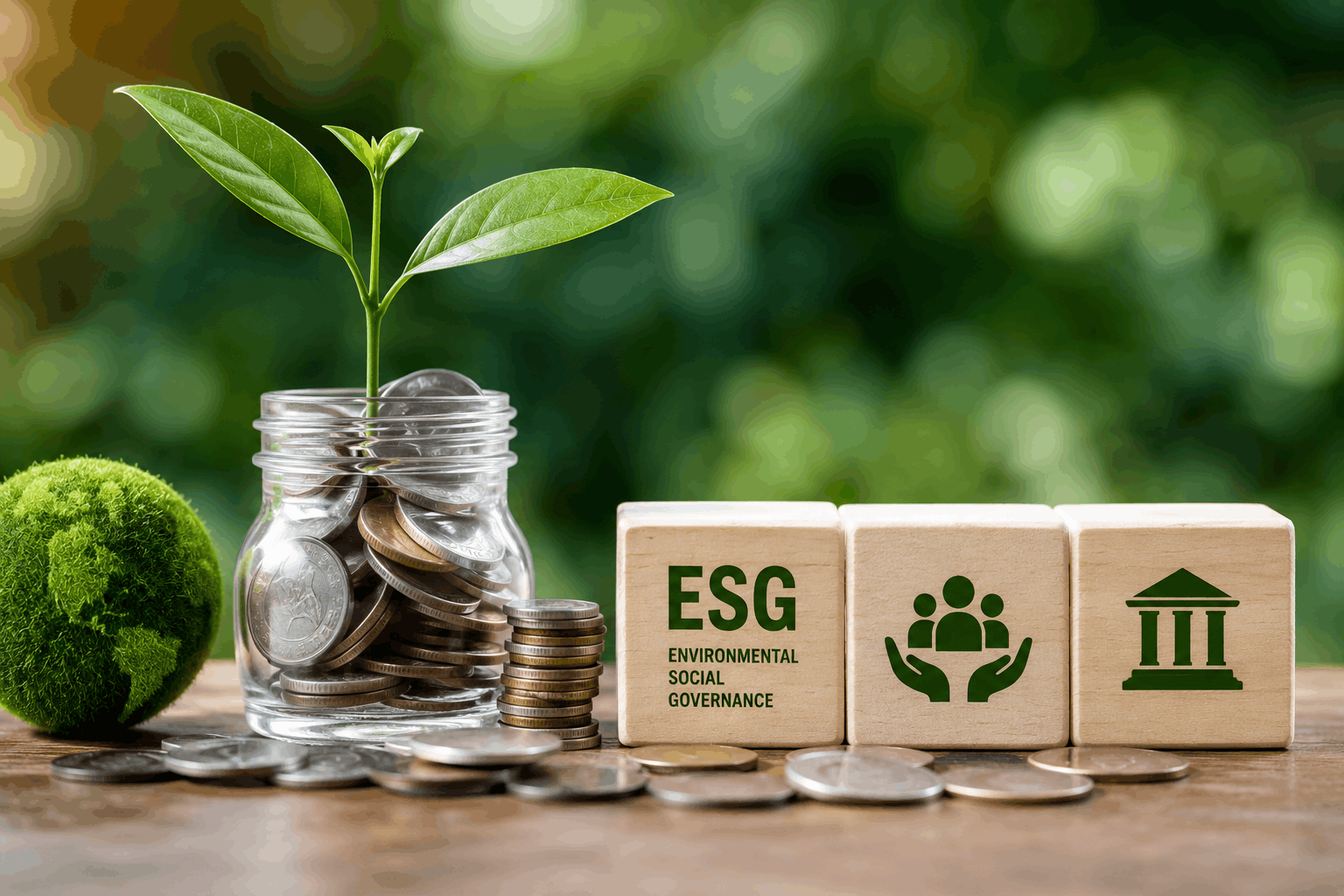
Sustainable and ethical investing has grown rapidly over the past two decades. Many investors have chosen funds described as ESG, sustainable, ethical or impact investments, believing they could align their investments with environmental or social values while still achieving reasonable financial returns.
However, the rapid expansion of this sector has also raised important questions about performance, transparency and whether some investors may have been misled about what they were investing in.
For some investors, this raises a key issue: could losses linked to sustainable investments form the basis of a financial mis-selling claim?
The rise of Sustainable Investing
Ethical investing in the UK dates back several decades. One of the earliest retail ethical funds was the Friends Provident Stewardship Fund, launched in 1984.
Since then, sustainable investing has evolved into a broad range of investment approaches including:
- Ethical or socially responsible funds
- ESG (Environmental, Social and Governance) funds
- Climate or net-zero aligned funds
- Impact investing funds
- Green bonds and sustainability-linked bonds
- Sustainable ETFs and index trackers
In recent years the sector has expanded rapidly. Sustainable investment assets globally now run into the trillions of pounds, and many pension providers and advisers now include ESG funds within default portfolios.
However, the rapid growth of the sector has also led to increasing scrutiny.
How many ‘Sustainable’ Investments are actually sustainable?
One of the biggest concerns regulators have raised is greenwashing, where investments are marketed as environmentally or socially responsible without meeting meaningful sustainability standards.
To address this, the UK regulator, the Financial Conduct Authority, introduced the Sustainability Disclosure Requirements (SDR) and new investment labels in 2024.
Under these rules, funds that want to describe themselves as sustainable must meet stricter criteria and disclose how they achieve those objectives.
Early industry data suggested that only a relatively small number of funds opted to adopt the official sustainability labels, despite a far larger number using ESG-related language in their marketing.
This has raised concerns that many investors may have been sold products that appeared more sustainable than they actually were.
Have Sustainable Funds underperformed?
Investment performance across sustainable funds has been mixed.
In certain periods, sustainable funds have underperformed conventional investments, particularly when markets were driven by sectors often excluded from ESG portfolios, such as:
- Oil and gas companies
- Mining companies
- Defence stocks
For example, during periods when energy stocks performed strongly, some ESG funds lagged behind the wider market because those sectors were excluded.
In simple terms, this means investors may have experienced lower returns than they might have achieved in a comparable mainstream portfolio.
This does not automatically mean investors were mis-sold the investment, but it may raise questions about how the investment was explained at the time advice was given.
When could a Sustainable Investment become a mis-selling issue?
Not every investment loss creates grounds for a claim.
However, there are situations where investors may have been mis-sold sustainable or ESG investments, including where:
The investment was unsuitable
Financial advisers must recommend investments that are suitable for a client’s:
- risk tolerance
- investment goals
- time horizon
- financial circumstances
If a sustainable investment carried higher risk than explained, it may have been unsuitable.
Sustainability claims were misleading
Investors may have been encouraged to choose a fund because it was described as:
- environmentally responsible
- aligned with climate goals
- ethically screened
If those claims were misleading or exaggerated, the investment may have been misrepresented.
Risks were not properly explained
Investors should be told if an ESG investment strategy could:
- limit diversification
- exclude certain sectors
- increase volatility
- lead to performance differences versus the wider market.
If these risks were not explained clearly, investors may not have been able to make an informed decision.
Investors were switched unnecessarily
Some investors were moved out of existing investments into ESG funds during portfolio reviews or pension switches.
If this resulted in higher charges or poorer performance without clear justification, it may raise suitability concerns.
The Potential scale of the issue
It is difficult to estimate the total losses attributable to sustainable investing.
However, the sector now represents hundreds of billions of pounds of investor assets, and even small differences in performance can translate into significant financial impacts.
For example, if a portfolio underperforms the wider market by just 1–2% per year, the long-term difference over a decade could be substantial.
For a £100,000 investment, a 2% annual shortfall over ten years could result in tens of thousands of pounds in lost growth compared with an alternative portfolio.
Again, underperformance alone does not prove mis-selling, but it can highlight cases where the advice or investment structure deserves closer scrutiny.
What should investors do if they are concerned?
If you invested in a sustainable or ESG fund following financial advice and believe the investment may have been unsuitable or misrepresented, it may be worth reviewing the circumstances of that advice.
Key questions include:
- Why was the investment recommended?
- Were the risks clearly explained?
- Did the investment match your stated objectives and risk tolerance?
- Were alternative investments discussed?
Where problems are identified, investors may have the right to pursue compensation through the advice firm, its insurer, or the Financial Services Compensation Scheme if the firm is no longer trading.
Check whether you may have a claim
At Claim My Loss, we specialise in Sustainable Investment Claims and Investment Claims, helping investors who may have suffered financial losses due to unsuitable or misleading advice.
If you were advised to invest in a sustainable, ESG or ethical investment and have experienced significant losses or underperformance, it may be worth having the advice reviewed.
You can start by completing our short assessment: